Manure or organic matter Processing with Insect Larvae: a Circular Solution

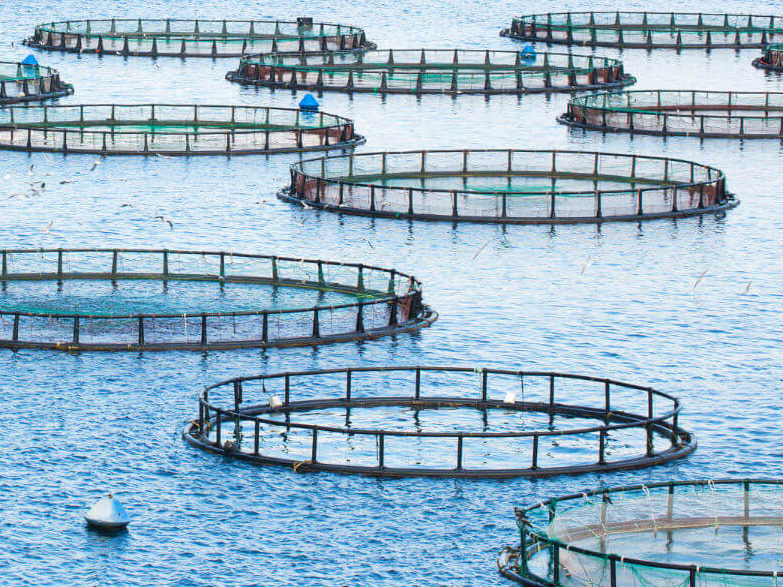
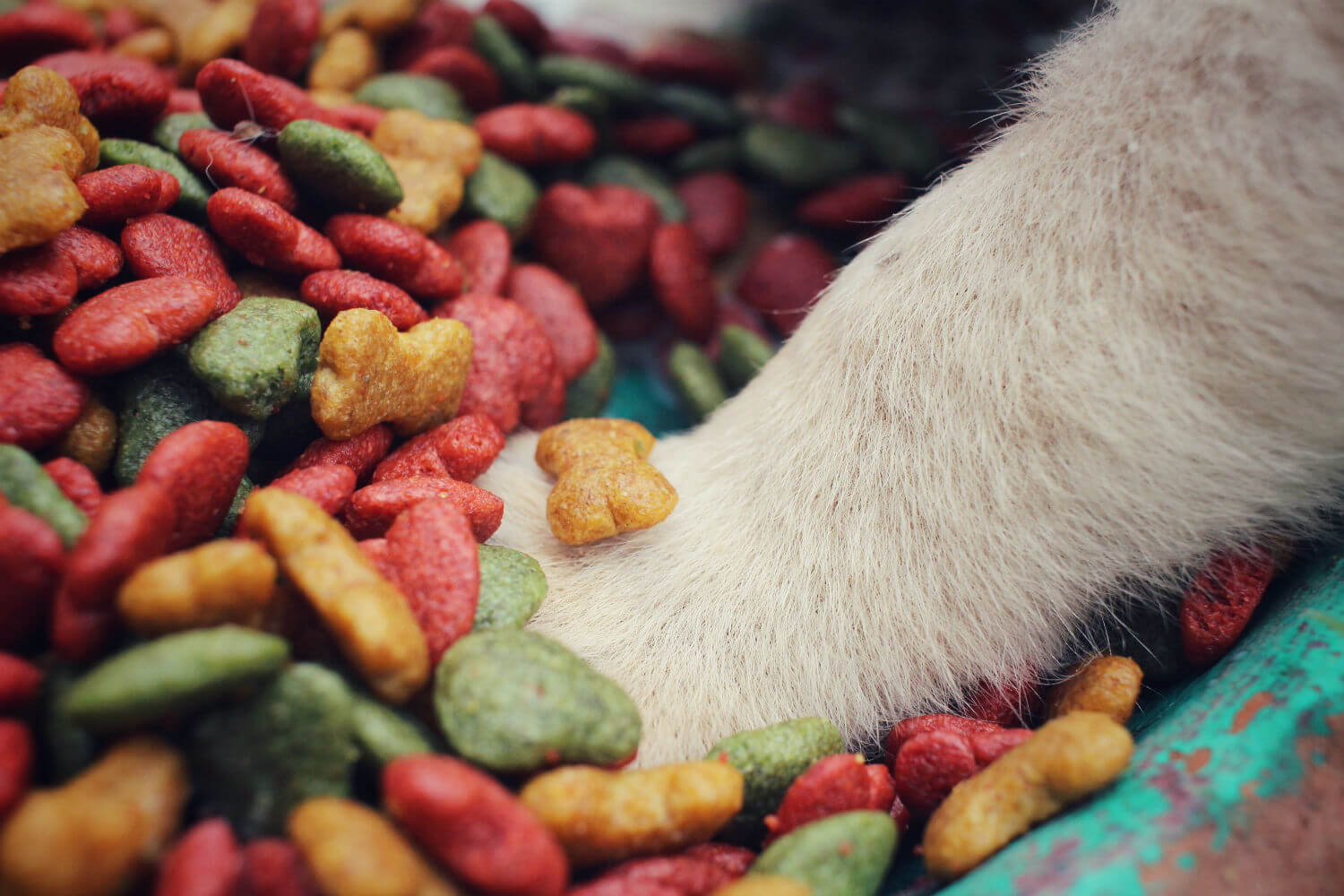
Insect larvae transform manure into a valuable resource. They convert cattle, pig, and poultry manure into high-quality proteins and fats that can partly replace soy and fishmeal. At the same time, ammonia emissions, odor nuisance, and nitrogen runoff are significantly reduced, while pathogens are suppressed.

With a short pre-treatment, the larvae grow efficiently, and decomposition takes place much faster than with traditional methods. The remaining fraction is a safe, nutrient-rich fertilizer that improves soil quality and supports circular farming.

In this way, manure processing with insect larvae offers a sustainable solution that combines ecological benefits with new economic opportunities for agriculture.

Innovative Processing of Poultry Manure with Housefly Larvae

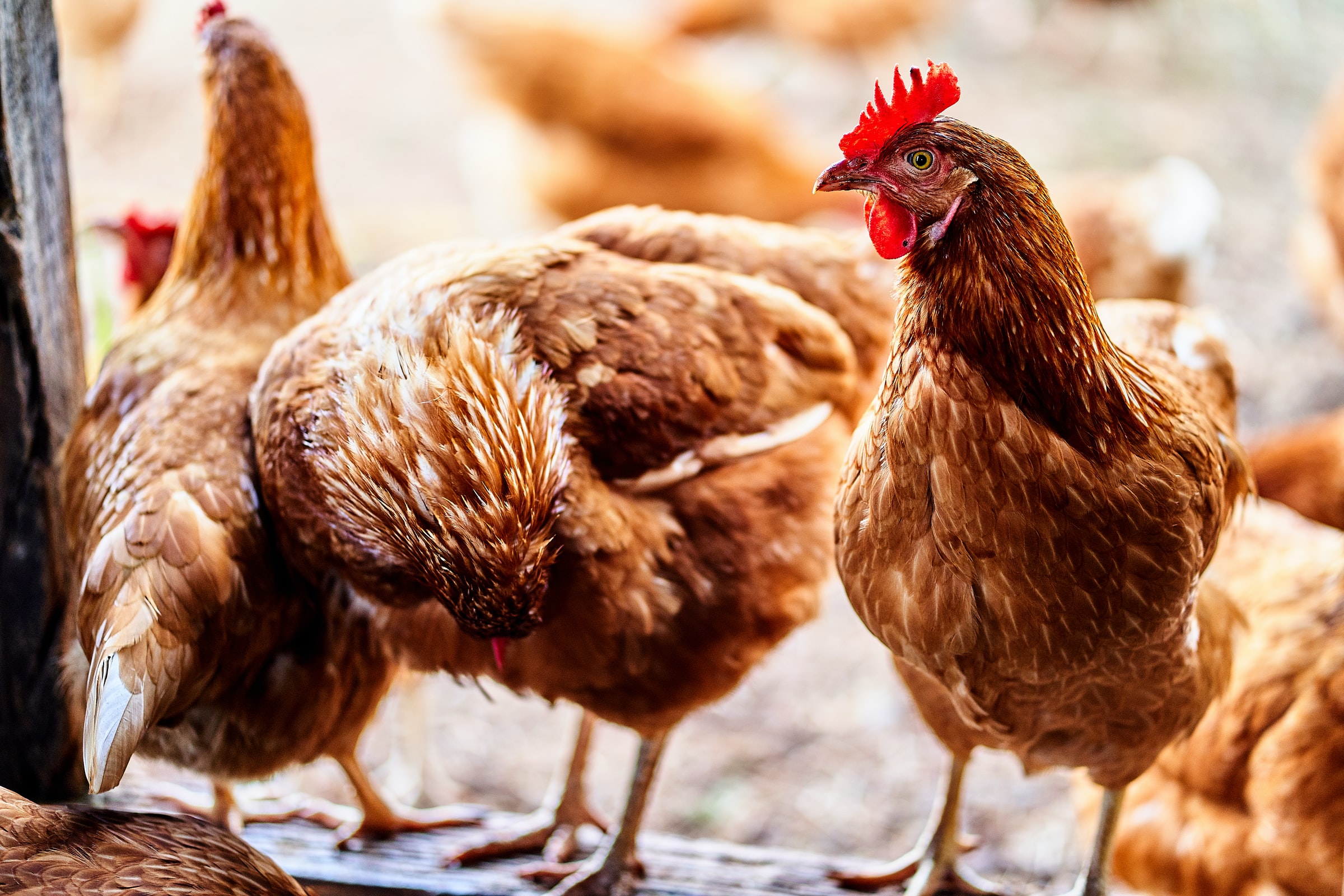
Poultry manure is rich in organic protein (up to 80%), making it an ideal feed source for housefly larvae, which efficiently convert waste into high-quality biomass. This method accelerates decomposition in just three to four days, far faster than traditional composting. It also reduces ammonia emissions, lowers odor nuisance, and improves nitrogen utilization, minimizing environmental impact. Additionally, larvae help suppress pathogens, reducing the risks of Salmonella and E. coli. Processed manure leaves behind nutrient-rich compost that enhances soil quality and supports circular agriculture. This sustainable and cost-effective solution benefits livestock, fish feed, and organic fertilizer production, offering an eco-friendly alternative to soy and fishmeal.

Processing Pig Manure with Housefly Larvae: A Sustainable Solution

Pig manure has a highly variable composition, with dry matter ranging from 5-25% and organic nitrogen content fluctuating significantly. To ensure efficient processing, the manure requires pre-treatment to optimize moisture levels and nutrient availability for larvae. Housefly larvae then convert this waste into high-protein biomass, providing a sustainable alternative to soy and fishmeal. Unlike traditional composting, this method reduces ammonia emissions, lowers odor nuisance, and minimizes nitrogen runoff. The larvae also help suppress pathogens, making the manure safer for reuse. The remaining processed manure becomes a nutrient-rich organic fertilizer, enhancing soil quality. This process enables faster decomposition, less storage space, and greater circularity in agriculture.

Processing Cattle Manure with Insect Larvae: A Solution for the Future

Cattle manure has a highly variable composition, with dry matter content ranging from 8-20% and organic nitrogen levels fluctuating significantly. To ensure efficient processing, pre-treatment is required to optimize conditions for larvae. Insect larvae convert manure into high-protein biomass, reducing dependency on soy and fishmeal. This method lowers ammonia emissions, reduces odor nuisance, and minimizes nitrogen runoff, making it an eco-friendly alternative to traditional manure management. With the loss of derogation in the Netherlands, efficient manure processing is essential to meet stricter regulations. The remaining processed manure becomes a nutrient-rich fertilizer, improving soil health while supporting circular agriculture.

Processing Organic Pulp in Lithuania with Housefly Larvae

In Lithuania, household organic waste is collected separately in orange bags. At a central processing facility, the organic fraction is efficiently separated from other waste and used as feed for housefly larvae.

These larvae rapidly convert organic material into valuable technical products, rather than being used in food or feed applications. This innovative approach offers a sustainable and circular solution for organic waste management.

Advantages of Processing Organic Waste with Larvae

Significant waste reduction by diverting organic material from landfills
Lower CO₂ emissions compared to traditional waste processing methods
Fast and efficient breakdown of organic waste in just a few days
Scalable and cost-effective for large-scale waste management

Unlike traditional composting or incineration, this method preserves valuable nutrients and repurposes them into high-value applications. The process is fully automated, ensuring efficient handling of large waste volumes.

Challenges and Future Developments

One of the main challenges is optimizing waste separation to improve processing efficiency. Additionally, public awareness and participation are crucial for ensuring high-quality organic waste input.

Despite these challenges, the use of housefly larvae for waste processing represents a game-changing innovation in the circular economy. This method closes the loop on organic waste, turning a problem into a valuable resource.